IMPORTANT NOTE: This website does not dismiss the seriousness of childhood trauma or the need for appropriate boundaries in relationships—especially with parents who have caused real harm. However, we believe that the popular notion of ‘emotional safety’ can sometimes reinforce powerlessness and avoid personal growth. In most cases, cutting parents off completely is a disproportionate and unnecessary response. A painful childhood is not a license to bully, degrade, or mistreat a parent—especially one who is making efforts to repair the relationship. We ask adult children to rise above what they lacked, and become the person they once needed: emotionally mature, respectful, and kind.
To therapists and helping professionals: We deeply respect the role you play in supporting individuals through healing and growth. But we also urge reflection on a growing trend—where adult clients are sometimes encouraged to view estrangement as empowerment, without a full exploration of its consequences. While boundaries are vital, so is the ability to tolerate discomfort, repair relationships, and move beyond a fixed victim identity. We invite you to consider whether current therapeutic norms may inadvertently reinforce emotional fragility and division, rather than resilience and connection. Supporting clients to engage with compassion, complexity, and forgiveness is not minimising trauma—it is modelling maturity.
Because Only Together We Can
No More Excuses - Call it Abuse
Estrangement as punishment does not heal—it harms. Rejecting a parent who’s trying to repair doesn’t make you strong; it makes you another link in the chain of abuse.
At Call It Abuse, we are dedicated to exposing the emotional harm and cruelty caused by adult-child estrangement. While we acknowledge that some families may not have been healthy environments for children, it is rare that an adult is still at risk from their parents. In fact, many adult children, by cutting off all contact, refusing basic kindness, and even publicly defaming their parents, are inflicting deep emotional pain—essentially punishing their parents for imperfections in their past. As adults, they have a responsibility to model the very behavior they once demanded from their parents. We recognize the importance of addressing childhood trauma, but one trauma does not justify inflicting another. Estrangement, when used as a weapon, is not just a boundary—it is emotional abuse..
The mental health toll on parents who are estranged from their adult children is devastating, with many suffering from deep depression, anxiety, and even suicidal thoughts, as they live with the unbearable pain of dying without reconciliation or the chance to heal their broken relationships. Who among us would want to be the kind of person who inflicts this cruelty on another human being, especially a parent, even one who may not have been perfect, but gave you life and whatever love they could?
We are here to raise awareness, support healing, and give a voice to parents who have been unfairly silenced and mistreated, while offering support and encouragement to adult children who are ready to embark on the wise and honourable journey of healing, growth, and reconciliation.
What We Do
01.
— We Acknowledge the Pain
If you or someone you know is enduring or inflicting the emotional abuse of estrangement, we are here to help. You don’t have to stay in the silence of this suffering.
02.
— We Inspire Healing
Take action now to stop the cycle of cruelty and start the path toward healing and reconnection. Begin the journey of rebuilding healthy, compassionate relationships today.
03.
— We Provide Resources
Access resources, find support, and equip yourself with tools that encourage understanding, communication, and emotional restoration.
04.
— We Build Community
Connect with us on social media to stay informed, share your thoughts, and support our mission by liking, sharing, and commenting on our posts.
05.
— We Create Awareness
Together, we can raise awareness and create a movement for change—breaking the stigma and silence surrounding adult-child estrangement.
06.
— We Empower Therapists
As therapists, we invite you to join us in this crucial work—helping families heal and guiding adult children and parents through the transformative process of reconciliation. Your voice and support can make a powerful difference in this journey.
Parental Estrangement
What is Parental Estrangement?
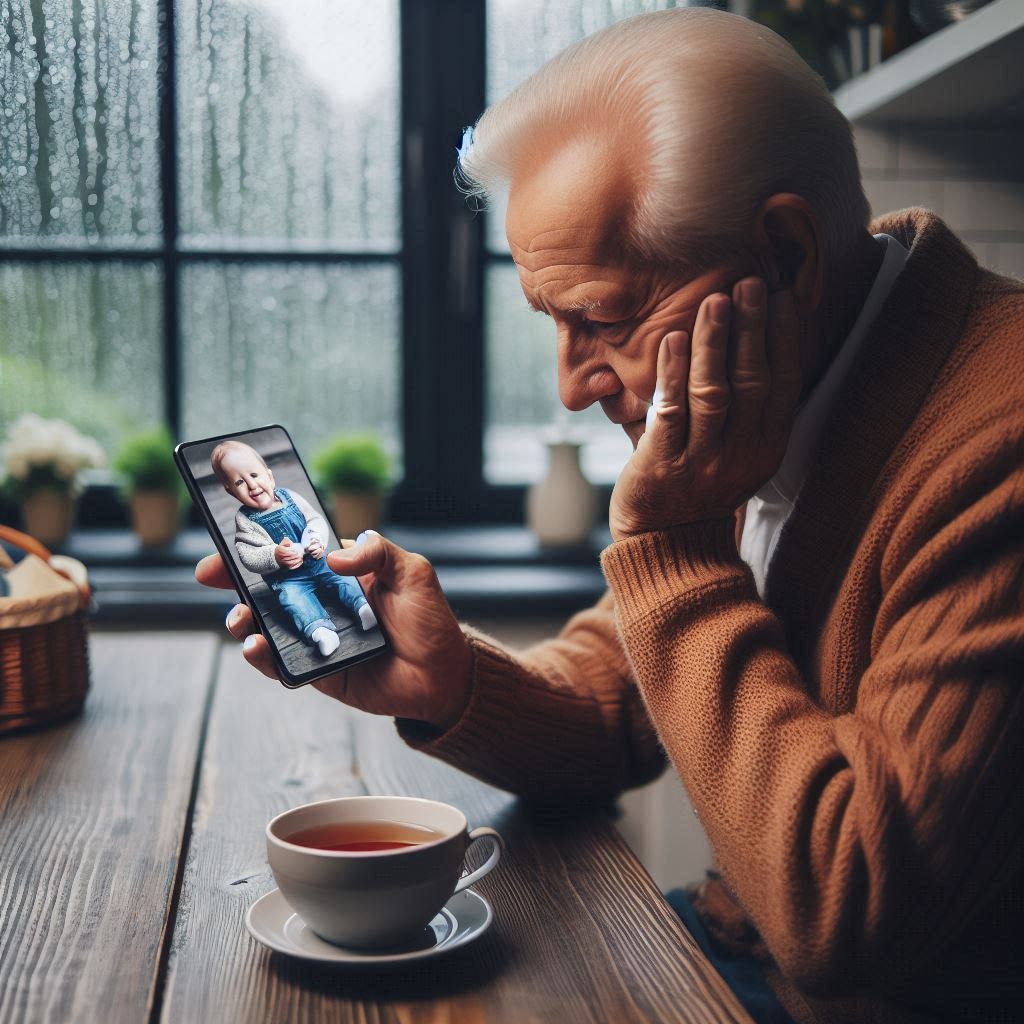
Parental estrangement refers to the emotional and physical distancing of an adult child from their parents, often leading to a complete breakdown in communication and relationship. This can manifest in various forms, such as cutting off contact entirely, refusing to acknowledge kind gestures, or publicly defaming one’s parents. It typically involves a deep emotional rift, where the child no longer engages with or feels any responsibility toward their parents, regardless of the parents’ attempts to reach out or reconcile. Parents who endure estrangement often experience serious mental health distress, anxiety, and depression, with some even contemplating or tragically taking their own lives. During this time, they may also face the death of their own parents, partners, or significant health issues, yet their children show no compassion, care, or support. The aging and mental health struggles of parents are dismissed, leaving them vulnerable and isolated when, in any other context, one would expect even a basic level of compassion from friends, neighbours, or community members. Grandchildren also suffer the loss of valuable family connections, and the elderly are discarded, left to endure the pain of being cut off from those they once nurtured and loved.
Key Statistics on Parental Estrangement
Prevalence:
In the US approximately 1 in 4 adult children report being estranged from at least one parent, and Australia is not far behind. Estrangement often begins in early adulthood, with the average age being 25 years of age. This trend of estrangement has increased 4-fold in the last 8 years.
https://www.newportinstitute.com/resources/mental-health/parental-estrangement/
https://ifstudies.org/blog/a-broken-bond-the-pain-of-mother-child-estrangement
https://pmc.ncbi.nlm.nih.gov/articles/PMC10254574/.com
https://www.apa.org/monitor/2024/04/healing-pain-estrangement
How Can Parental Estrangement Present?
Parental estrangement can present in many ways, ranging from subtle behaviours to severe actions:
- Refusal to communicate: This includes ignoring phone calls, texts, or emails, and not acknowledging or responding to messages for holidays, birthdays, or significant life events.
- Ignoring efforts to reconnect: Parents may attempt to apologize, show love, or offer an olive branch, but the child refuses to engage in any meaningful way.
- Publicly criticizing or defaming the parents: This could involve the adult child sharing their negative experiences in a public or semi-public way, such as on social media or among family and friends, without offering context or room for reconciliation.
- Shutting down through therapy language: Using therapy terms like “boundaries” or “emotional safety” to justify refusal to engage, sometimes in an overly rigid or defensive manner.
- Recruiting others into the estrangement narrative: This can include turning family members or friends against the parents, creating an “us versus them” mentality.
What is Wrong with Parental Estrangement?
While it’s essential to recognize that some families may not have been healthy environments for children, the escalation to complete estrangement, especially in adulthood, can be deeply damaging and unfair. Here’s what’s wrong with it:
- Emotional abuse: Adult-child estrangement often involves severe emotional harm to the parents, causing distress, anxiety, and even depression. This is because the parents are left without closure or the opportunity to rebuild the relationship, often without a clear understanding of why their child has chosen to cut them off.
- Exaggeration of past trauma: Estrangement can be based on perceptions of past harm that are sometimes distorted or exaggerated. In some cases, memories may be incomplete or influenced by outside narratives, but the decision to sever all ties may not leave room for clarification, reconciliation, or growth.
- Lack of accountability: By cutting off their parents, some adult children avoid responsibility for the unresolved issues in the relationship, leaving no opportunity for both parties to reflect, learn, and mature together.
- Impact on the family system: Estrangement not only harms the direct relationship between parent and child but can also have a ripple effect throughout the entire family, alienating siblings, grandparents, and even grandchildren from one another.
- Societal fragmentation: The breakdown of family ties can contribute to larger societal issues related to community disconnection, loneliness, and the decline of social support systems. In a world that is already struggling with mental health challenges, estrangement exacerbates feelings of isolation.
- Refusal to communicate: This includes ignoring phone calls, texts, or emails, and not acknowledging or responding to messages for holidays, birthdays, or significant life events.
- Ignoring efforts to reconnect: Parents may attempt to apologize, show love, or offer an olive branch, but the child refuses to engage in any meaningful way.
- Publicly criticizing or defaming the parents: This could involve the adult child sharing their negative experiences in a public or semi-public way, such as on social media or among family and friends, without offering context or room for reconciliation.
- Shutting down through therapy language: Using therapy terms like “boundaries” or “emotional safety” to justify refusal to engage, sometimes in an overly rigid or defensive manner.
- Recruiting others into the estrangement narrative: This can include turning family members or friends against the parents, creating an “us versus them” mentality.
Ultimately, parental estrangement can prevent families from healing, growing, and supporting one another. It is important to address the underlying issues, foster communication, and understand that while boundaries may be necessary, complete disconnection is rarely the most healthy or constructive solution.
Our Approach
01.
— Our Mission
At Call It Abuse, our mission is to raise awareness about the emotional abuse and distress caused by adult-child estrangement. We aim to provide support, guidance, and resources to parents who are experiencing the pain of estrangement, helping them to navigate the complexities of this heartbreaking issue. We believe that estrangement, when used as a tool for punishment, can be a form of emotional abuse, and we are committed to promoting understanding, compassion, and healing for families impacted by this phenomenon.
02.
— Our Vision
Our vision is a world where the emotional pain caused by estrangement is recognized as a serious form of abuse, and where individuals are empowered to rebuild connections with their families in a way that is healthy, respectful, and compassionate. We strive to create a society that fosters empathy and emotional resilience, where parents and children can repair relationships based on mutual understanding, respect, and healing.
We also recognize that our society is becoming increasingly hyper-individualized, and this shift undermines the very foundations of community and family. As we place more emphasis on individual success and personal boundaries, we risk eroding the mental health benefits and social support that close-knit family structures provide. The breakdown of family relationships is not an isolated issue but a reflection of a broader societal breakdown, where emotional well-being and human connection are increasingly sacrificed for independence.
03.
— Goals
Raise Awareness:
To educate the public about the emotional abuse and long-term damage caused by estrangement. We aim to challenge the misconception that estrangement is merely about setting “boundaries” and highlight the emotional harm it causes to families.
Provide Resources:
To offer practical tools, guides, and support to parents dealing with estrangement. This includes access to therapy, self-help resources, and community support groups.
Support Healing and Reconnection:
To create safe spaces for families to learn about the possibility of reconnection, whether through professional therapy, support groups, or open communication.
Advocate for Societal Change:
To advocate for a cultural shift that recognizes the complexity of estrangement and promotes compassionate, fair, and open dialogue between families, free from blame and judgment. We will also call for greater focus on the importance of familial and community bonds, recognizing how the breakdown of these connections affects society as a whole.
Empower Parents:
To empower estranged parents by providing them with emotional support, clear strategies for navigating estrangement, and the knowledge that they are not alone in their journey.
Further Food for thought…
The Impact of Hyper-Individualism:
In today’s world, we are increasingly living in a society that prioritizes hyper-individualism—where personal independence is placed above all else, and family connections are often treated as secondary. This shift in focus is breaking down the very fabric of our communities, leaving people isolated and emotionally detached. The result is not only personal pain but a wider societal damage that erodes the mental health benefits of close family bonds. When adult children sever ties with their parents, they are not just creating emotional voids in their own lives but are contributing to a larger pattern of disconnectedness that affects everyone. This breakdown in family structures ripples outward, affecting grandchildren who lose out on relationships with loving grandparents & depriving entire communities of the support & resilience that strong family connections offer.
The Ripple Effect on Families and Society:
The consequences of estrangement go far beyond the parents who are left heartbroken and isolated. When adult children choose to punish their parents by cutting them off completely—refusing to acknowledge kind gestures, withholding important life updates, or even publicly defaming them—they are not just damaging their own relationship with their parents but also causing harm to future generations. Grandchildren are deprived of the love, wisdom, and guidance that come from having a relationship with their grandparents. Society as a whole suffers when emotional bonds are severed because these connections are the backbone of community support, resilience, and mental health. This is not just an issue for families—it’s a societal crisis that feeds into the isolation and mental health struggles we face as a whole.





Partners